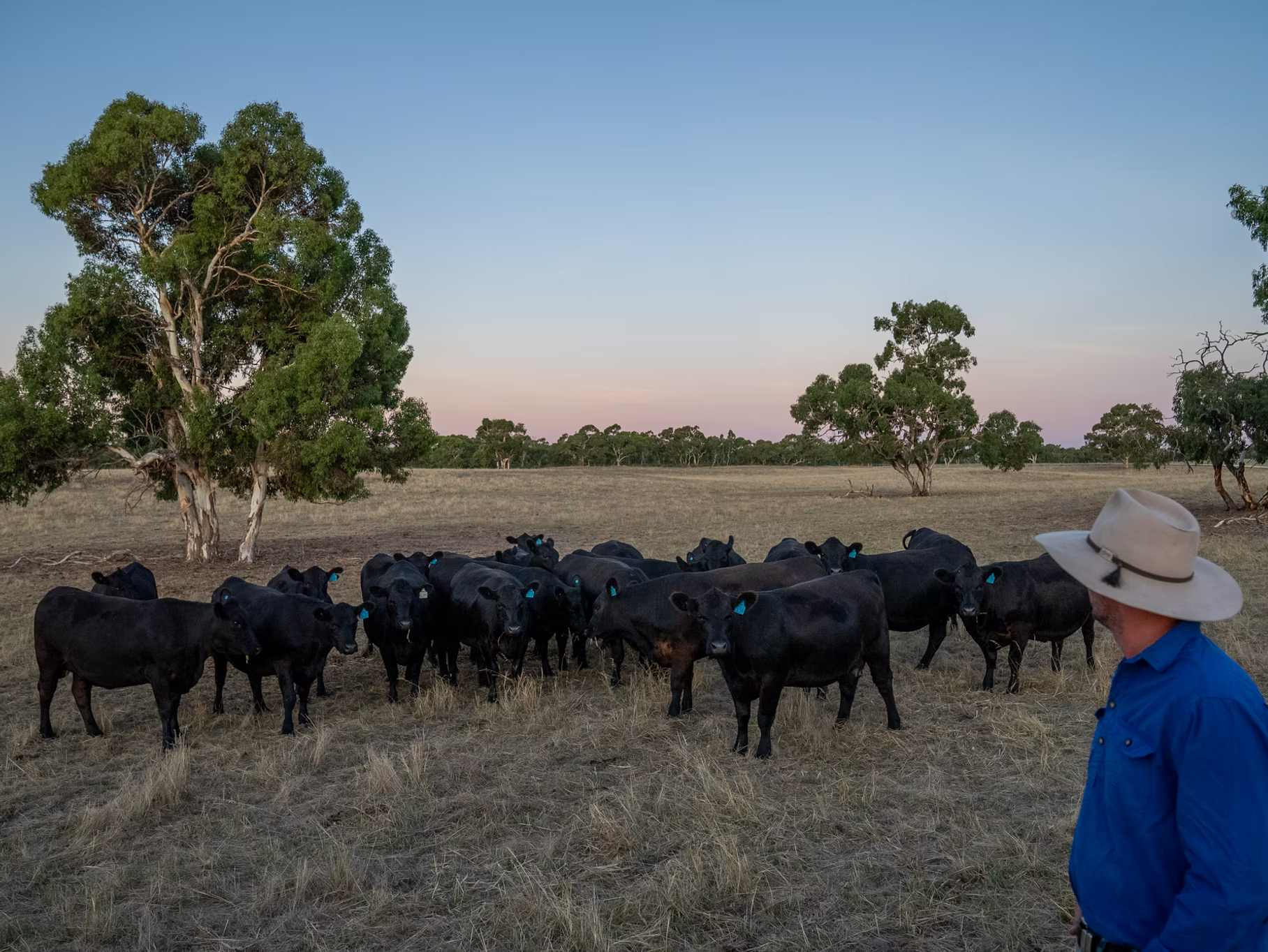
As a multi-generational farm ourselves, we intimately understand the paramount importance of having a meticulously crafted succession plan in place. Our personal experience has shown that a well-thought-out succession plan not only facilitates a smooth transition of ownership but also plays a vital role in maintaining strong family bonds. Over the years, I’ve had the opportunity to observe numerous farm businesses, and it’s become abundantly clear that a documented succession plan is not merely a luxury but a necessity for ensuring the seamless transfer of ownership and management from one generation to the next. Moreover, such a plan creates immense long-term value, contributing significantly to the farm’s enduring success and sustainability.
Ensuring a Seamless Transition
A comprehensive, documented succession plan serves as a roadmap for the future, meticulously outlining specific steps and timelines for the transfer of ownership and decision-making authority to the next generation. This level of clarity is invaluable in minimizing potential confusion, conflicts, and delays that often arise during the transition process. By having a clear plan in place, the farm can continue to operate efficiently without interruption, maintaining its productivity and profitability even as leadership changes hands.
Preserving Family Unity
Succession planning is undeniably a sensitive topic that, if not handled with care and consideration, can put a significant strain on family relationships. However, a well-documented plan, developed through open communication and with input from all stakeholders, serves as a powerful tool for maintaining family unity. By addressing concerns proactively, setting clear expectations, and fostering a shared vision for the farm’s future, such a plan can help prevent misunderstandings and conflicts that might otherwise arise during the succession process.
Optimizing Tax Strategies
A carefully crafted succession plan goes beyond just outlining the transfer of ownership; it also incorporates sophisticated tax strategies to minimize the financial impact of the ownership transfer. By collaborating with legal and financial professionals, farm owners can leverage various tax exemptions, deductions, and other financial tools to ensure a more favorable outcome for both the current and future generations. This approach not only helps preserve the farm’s financial health but also maximizes the value passed on to the next generation.
Enhancing Business Continuity
One of the most significant benefits of a documented succession plan is its role in ensuring the long-term continuity of the farm business. By identifying and grooming the next generation of leaders well in advance, the plan helps maintain the farm’s competitive edge, reputation, and market position, even as ownership and management transition to new hands. This foresight allows for a smoother handover of responsibilities and ensures that the farm’s operations continue without significant disruption.
Providing Peace of Mind
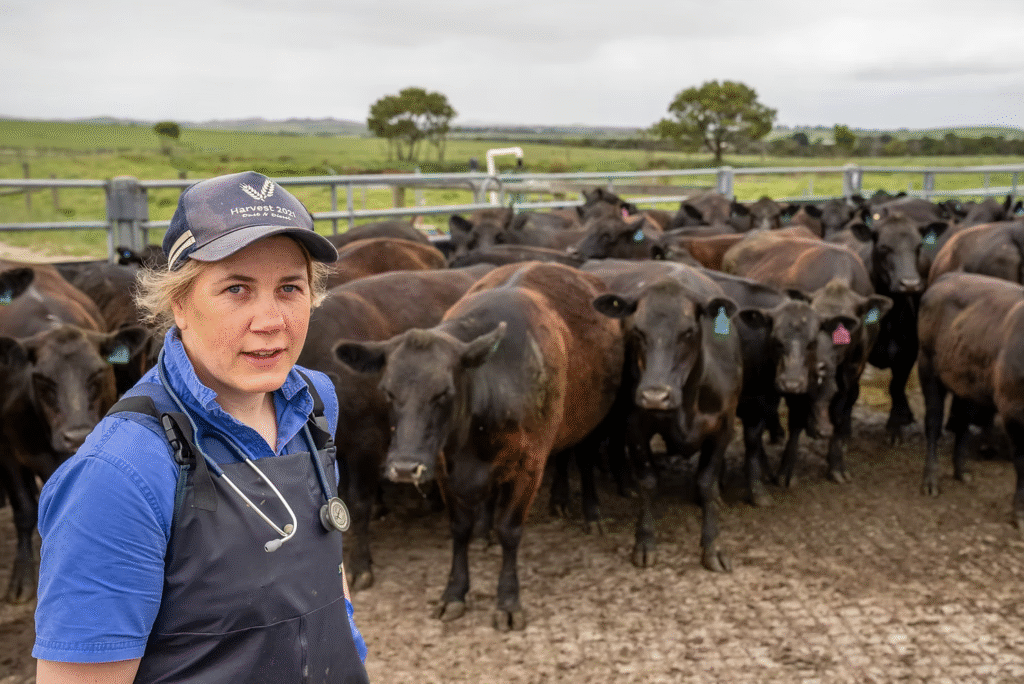
Perhaps one of the most under appreciated aspects of having a comprehensive succession plan in place is the peace of mind it provides to farm owners. Knowing that there’s a clear path forward for the farm’s future can alleviate a great deal of stress and uncertainty. Farm owners can rest assured that their life’s work and the farm’s legacy will be preserved and carried forward by the next generation, in accordance with their wishes and values. This sense of security allows current owners to focus on their present responsibilities while feeling confident about the farm’s future.
At Ramage Rural, we firmly believe that a well-documented succession plan is not just beneficial but critical to the long-term success of a multi-generational farm. We encourage farm owners to work closely with legal and financial professionals to create a tailored plan that addresses their unique needs, goals, and circumstances. By doing so, they can ensure their farm’s continued prosperity and legacy for generations to come, safeguarding both their family’s future and the future of their agricultural enterprise.